Care
We consider the dog’s welfare and the client’s capacity, because a plan that harms one side of the relationship is not sustainable.

Founder & Demo Dog
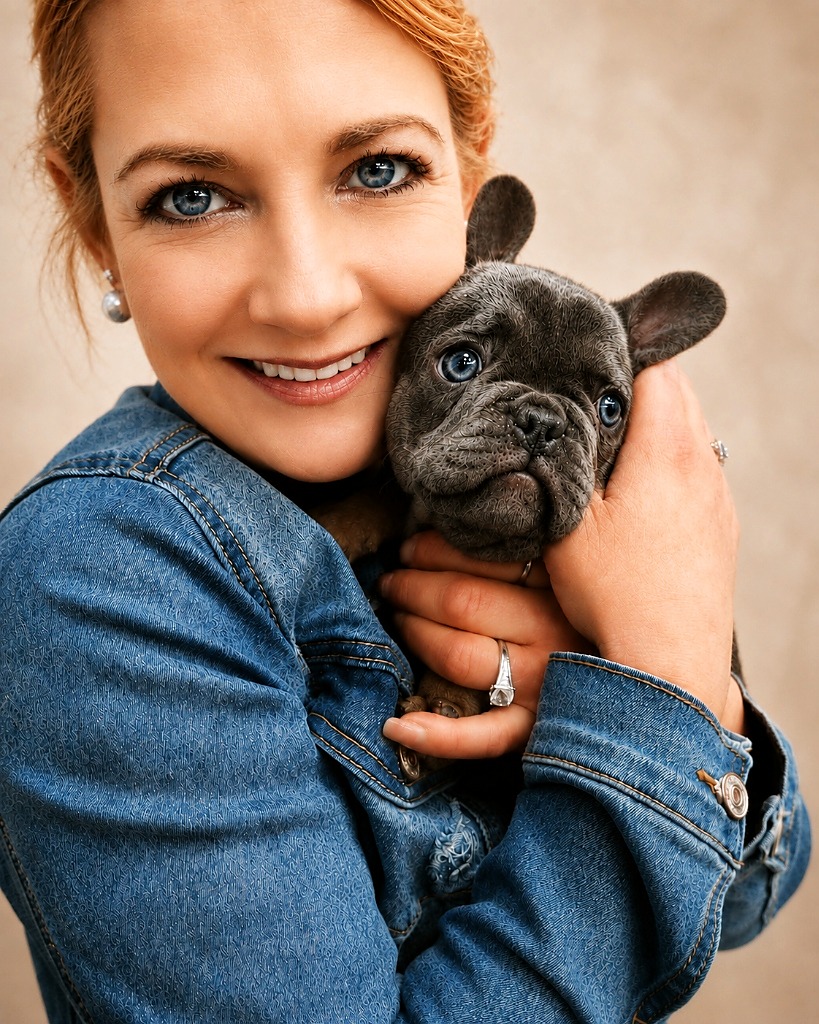
Meet Carolyn Sabolis-Hall (CJ) and Ronan (Ro). Discover why cross-species learning theory, precision marker timing, and veterinary insight create the calmest, most reliable dogs.
Start a conversation
Why we exist
Families often reach out when they feel tired, embarrassed, worried, or unsure which advice to trust. Dogs may be overwhelmed, under-supported, physically uncomfortable, or simply missing the skills a human environment expects.
Our role is to replace confusion with observation, judgment with information, and vague homework with practical next steps. The goal is not to make a dog look obedient at any cost. It is to create safer, more predictable, more cooperative daily life.
Every dog is someone’s pup—whether six months or sixteen years old. The name is a reminder to see the learner in front of us: an individual with a history, preferences, needs, limits, and the capacity to learn.
This company is not puppy-only. The programs include support across life stages, subject to current service availability and professional scope.
Our values
These values shape how we teach, communicate, set boundaries, review progress, and decide when a referral is needed.
We consider the dog’s welfare and the client’s capacity, because a plan that harms one side of the relationship is not sustainable.
We explain what we see, what we recommend, how to practice, and what would cause us to change the plan.
We ask what function, context, emotion, health, or learning history may be influencing behavior before reaching for a label.
We avoid guarantees, stay within scope, disclose limitations, and refer when another professional is better positioned to help.
The client experience

Sessions are designed to help you understand and practice. The trainer demonstrating a skill is only useful if the household can reproduce it safely.

We identify the few changes most likely to improve the current situation rather than overwhelming clients with a long list of exercises.

We discuss risk, limitations, uncertainty, and likely timelines without using fear to sell a package or minimizing genuine concerns.
Inclusive service
Training recommendations should account for mobility, sensory needs, neurodivergence, language, family structure, schedule, budget, housing, transportation, and the presence of children or other animals.
Tell us what would make the learning experience more accessible. We will be honest about what accommodations are available in a given service and seek alternatives when needed.
Meet Your Lead Specialist
More than twenty years of high-performance animal training taught Carolyn one fundamental truth: an animal never fails to learn—trainers fail to communicate clearly.
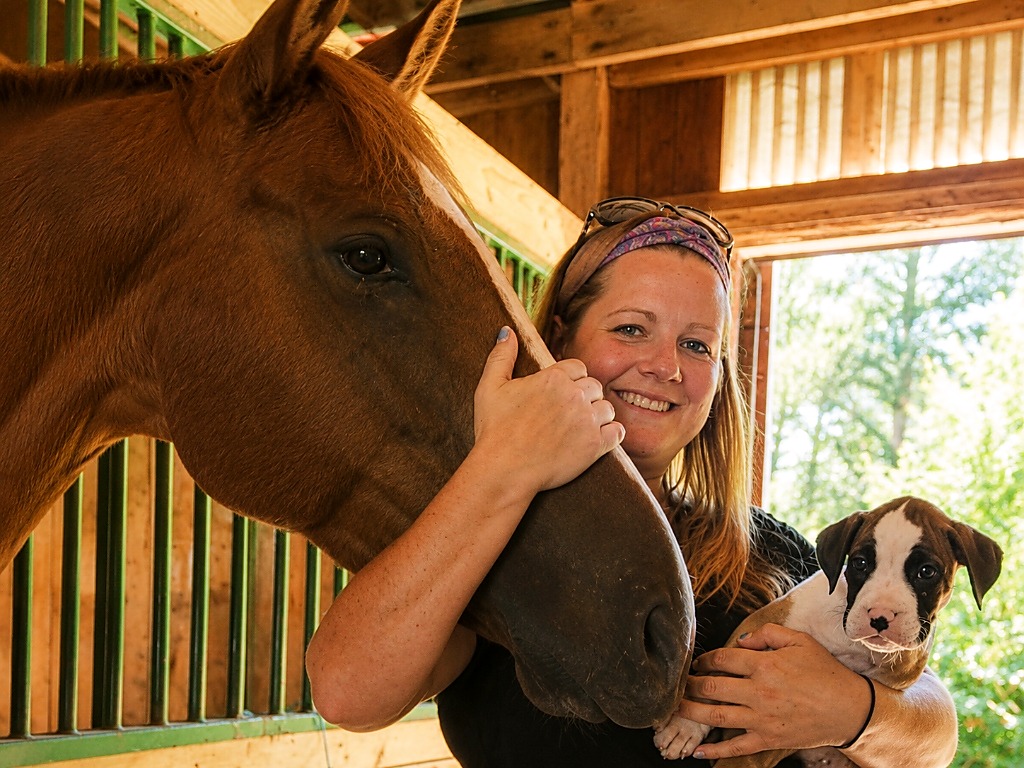
Carolyn’s background bridges veterinary animal science, Olympic-discipline equine training, and professional instruction. That rare cross-species mastery gives her clients an unfair advantage: she reads your dog's subtle biomechanical stress signals, structures crystal-clear antecedent environments, and coaches you to mark voluntary choices with surgical timing.
Training Philosophy
“Behavior is never stubbornness—it is communication. When you understand what your dog's nervous system is experiencing, you stop fighting their reactions and start guiding their choices.”
Carolyn combines a B.S. in Large and Small Animal Science with a Veterinary Technician concentration, more than 20 years of professional animal training, champion-level performance experience, USHJA judging, and formal instructional preparation. Alongside her blue French Bulldog Ronan (Chief Demonstration Officer), she teaches handlers how to build calm, bulletproof reliability using reward-based applied learning theory.
20+ years of high-stakes animal development, large & small animal veterinary-tech education, and certified USHJA judging. Carolyn brings Olympic-grade clarity and positive reinforcement to help your dog thrive.
Co-founder and demo canine extraordinaire. Proof that with clean marker mechanics, whistle cue systems, and respect for thresholds, even "headstrong" breeds achieve laser focus and reliable recall.
Education & scientific foundation
Behavior does not occur in a vacuum. Health, orthopedics, sensory processing, cortisol balance, and sleep hygiene shape how a dog learns and reacts.
Cross-Species Applied Learning Theory
When you train a 1,200-pound flight animal, brute physical force is not only dangerous—it's impossible. True animal development relies on microscopic observation, antecedent arrangement, and immaculate marker timing.
Carolyn brings that exact high-performance clarity to companion dogs. We don't intimidate dogs into compliance; we build confident, joyful learners who choose to cooperate because it feels great.
Academic preparation in anatomy, physiology, animal health, clinical observation, pharmacology, psychopharmacology concepts, and biological factors that influence behavior.
Vocational foundation in large- and small-animal science, care, husbandry, health, handling, and behavior.
Professional experience
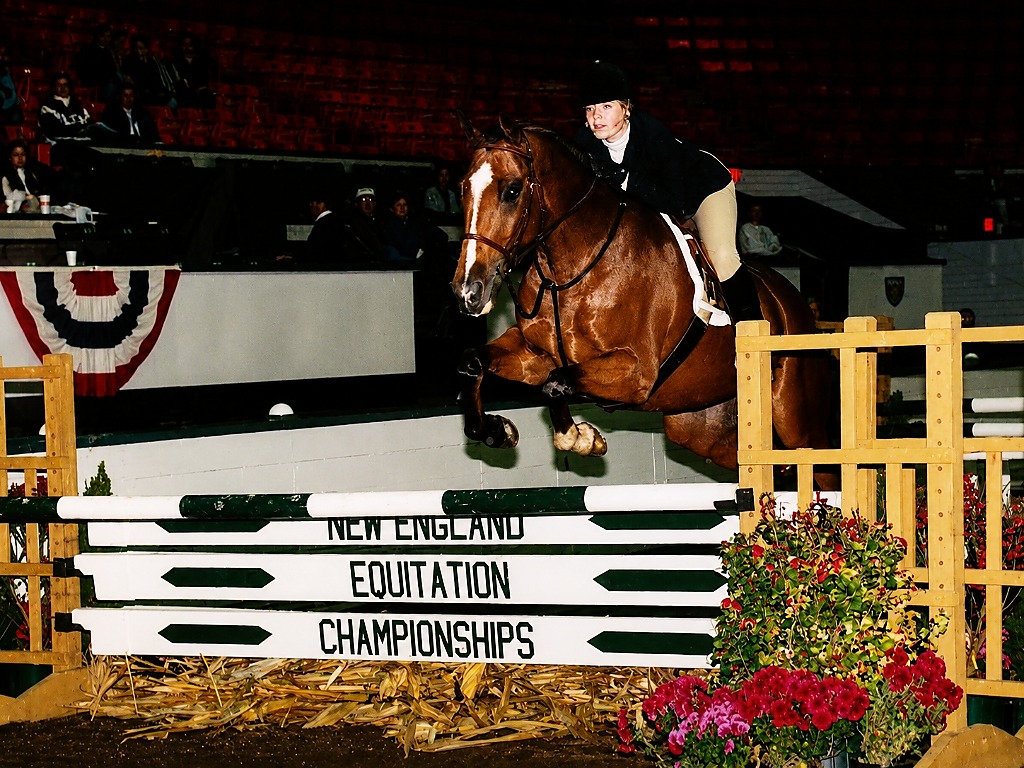
Elite equestrian competition sharpened the ability to observe subtle changes in posture, tension, attention, confidence, recovery, mechanics, and willingness—then adjust the plan to the individual learner.
Business ownership developing, training, evaluating, and competing high-value performance animals. Success required individualized protocols for stress recovery, motivation, confidence, and physical conditioning.
Champion-level training across Olympic disciplines (dressage, show jumping, eventing). Demanded micro-second precision in biomechanics, systematic desensitization, and emotional regulation.
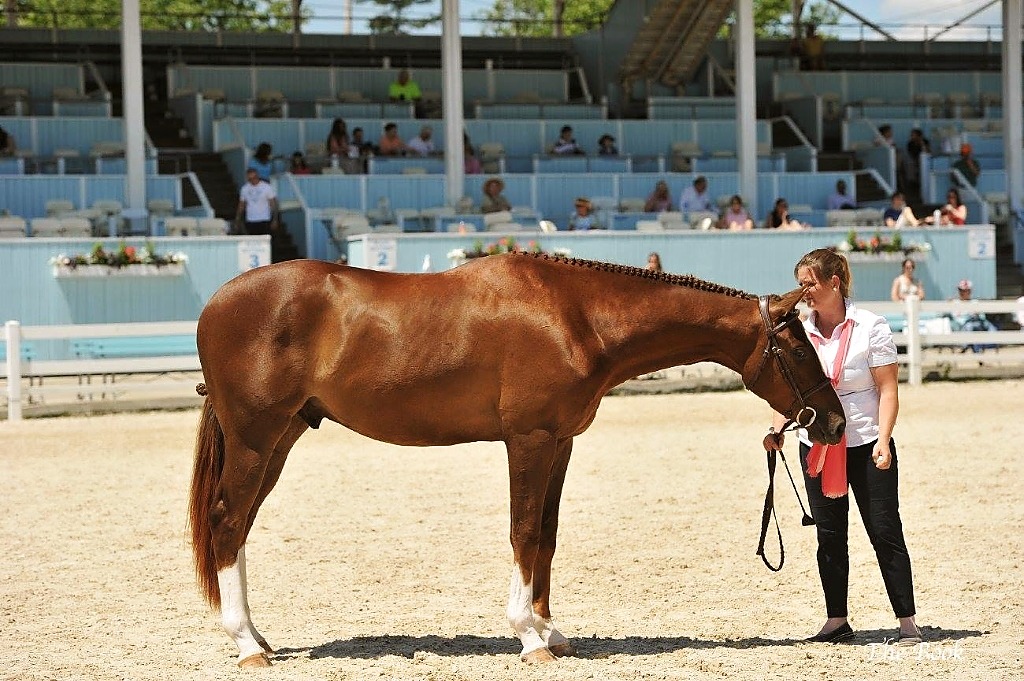
Professional judging credentials requiring objective assessment of movement, technical precision, subtle physical tension, stress indicators, and safety.
Certified Horsemanship Association (CHA) certification and 4-H instructional leadership translating complex biomechanics into simple, safe steps everyday handlers reproduce with confidence.
Learning theory in practice
The technical language matters professionally. For clients, the principle is simpler: make the behavior you want clear, achievable, and worth repeating.
Dogs are not small horses. Sound cross-species training does not assume that techniques transfer simply because learning principles do. Canine plans must account for canine ethology, sensory priorities, development, reinforcement preferences, environments, and welfare.
What transfers is disciplined observation, precise criteria, thoughtful reinforcement, progressive skill development, and the ability to change course when the learner’s response says the plan needs adjustment.
Canine applications
This background supports careful work across everyday skills and more complex concerns while preserving appropriate professional boundaries.
Behavior is analyzed in context rather than slapped with labels like 'dominant' or 'stubborn.' Plans address cortisol recovery periods, antecedent triggers, distance thresholds, and biological discomfort.
Veterinary science foundations prepare dogs to voluntarily participate in nail trims, ear cleaning, exams, and medication administration using predictable chin rests and bucket games.
Carolyn developed dual auditory whistle cue systems with her French Bulldog Ronan, proving that even breeds stereotyped as 'headstrong' achieve lightning-fast recall and engagement when reinforcement is clean.
Decades of judging evaluate subtle shifts in weight distribution, gait asymmetry, and micro-tension that indicate when behavior is driven by orthopedic soreness or physical fatigue.
Teaching the human
A demonstration is only useful if the household can reproduce the skill safely. Decades of formal and practical instruction inform how Just A Pup teaches timing, mechanics, observation, and troubleshooting.
Just A Pup provides behavioral coaching and humane education within professional scope. Training does not replace veterinary medical diagnosis. When behavior involves suspected pain, hormonal changes, illness, or neurological issues, veterinary collaboration is actively pursued.
Forward-facing care
Trust grows when a business supports informed choices, appropriate referrals, community safety, and humane education—even when a person never becomes a paying client.
Explore free resourcesYour next small win starts here
Tell us what life looks like right now. We’ll guide you toward an appropriate first step without judgment or pressure.